Consumer Support
Structured guidance and evidence-ready outputs.
Consumer Support in practice: vulnerability, escalation and evidencing good outcomes
Consumer Support is not a soft servicing concept. It is an operating model requiring triggers, ownership, response discipline and auditable follow-through.
By Plannetic Research
Highlights
Support ownership
Explicit
Support failures often begin where ownership is implied rather than assigned.
Vulnerability signal
Dynamic
Vulnerability should be reviewed as a changing condition, not a one-off checkbox.
Response evidence
Traceable
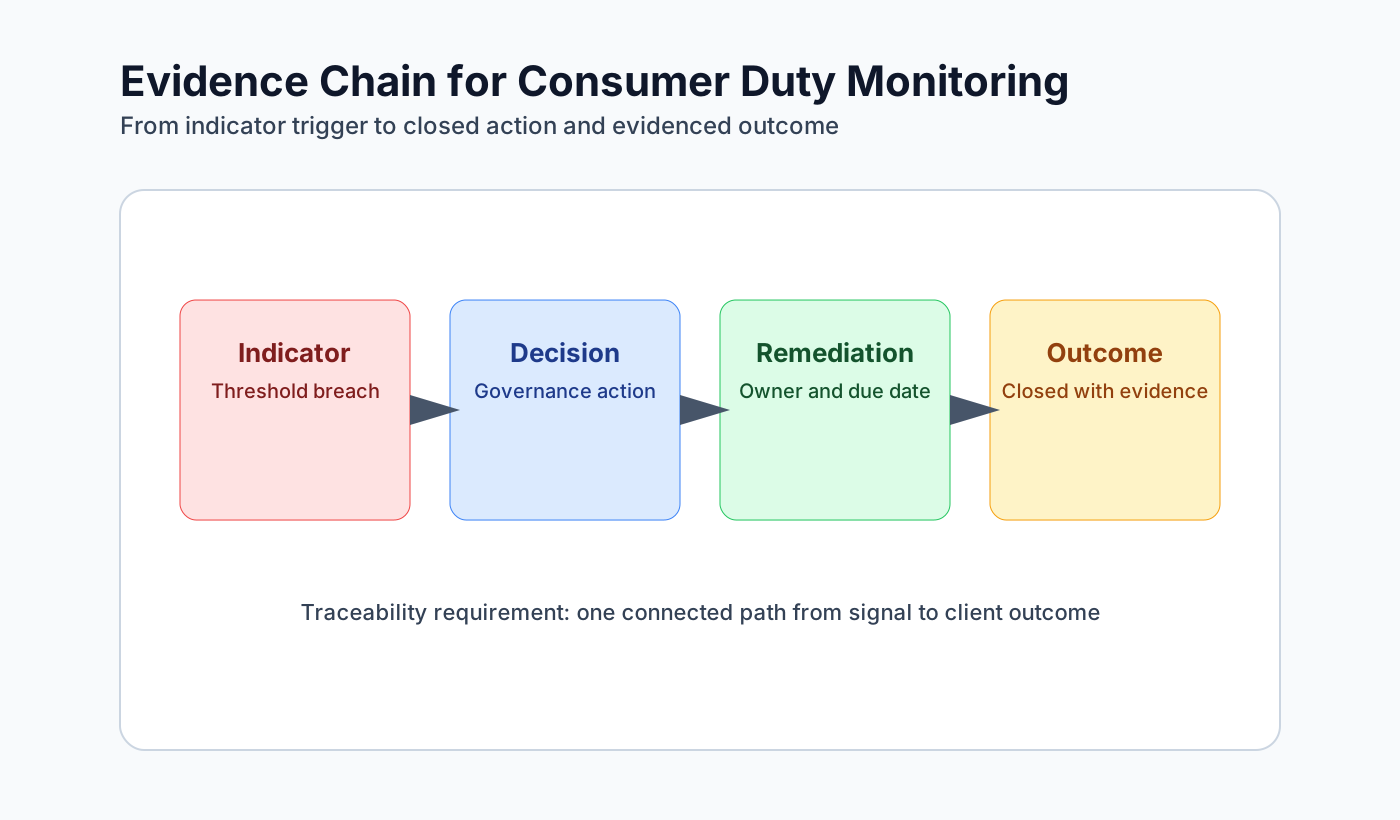
The regulator will care whether support was meaningful, timely and connected to the client state.
Why Consumer Support is still under-designed
Many firms can explain products, disclose charges and document suitability better than they could two years ago. Consumer Support is different. It is harder to operationalise because it concerns response quality under changing client conditions rather than static point-of-sale evidence. Firms often say they support clients well, but that claim is usually carried by culture and good intentions rather than by an explicit control model.
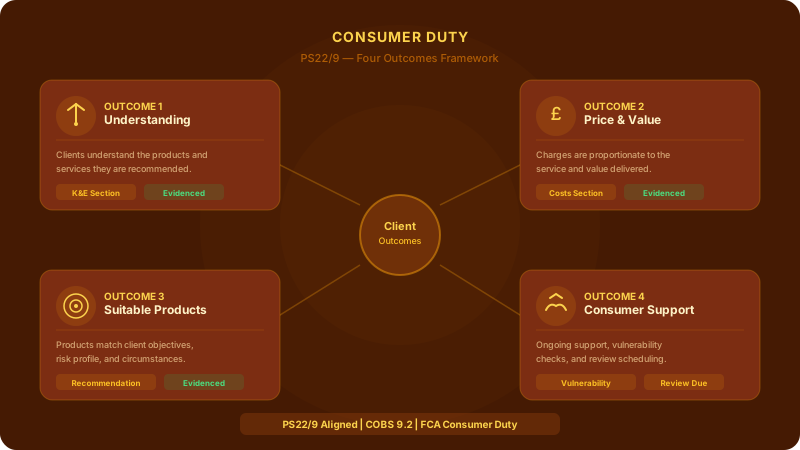
That is risky. Consumer Support under the Duty is not satisfied by having empathetic advisers or a generic vulnerable-customer policy. It requires firms to show that support is accessible, timely, and effective for the clients who need it most. In practice, that means identifying events that should trigger support, assigning ownership, setting expected response times, and evidencing what was done and why.
Where this is absent, firms fall back on narrative notes. Those notes may describe a caring conversation, but they rarely prove whether the response changed the client outcome, whether follow-up actions were completed, or whether the firm could recognise similar cases elsewhere. That is why Consumer Support should be treated as an operating architecture rather than a customer-service aspiration.
Vulnerability is not the only trigger
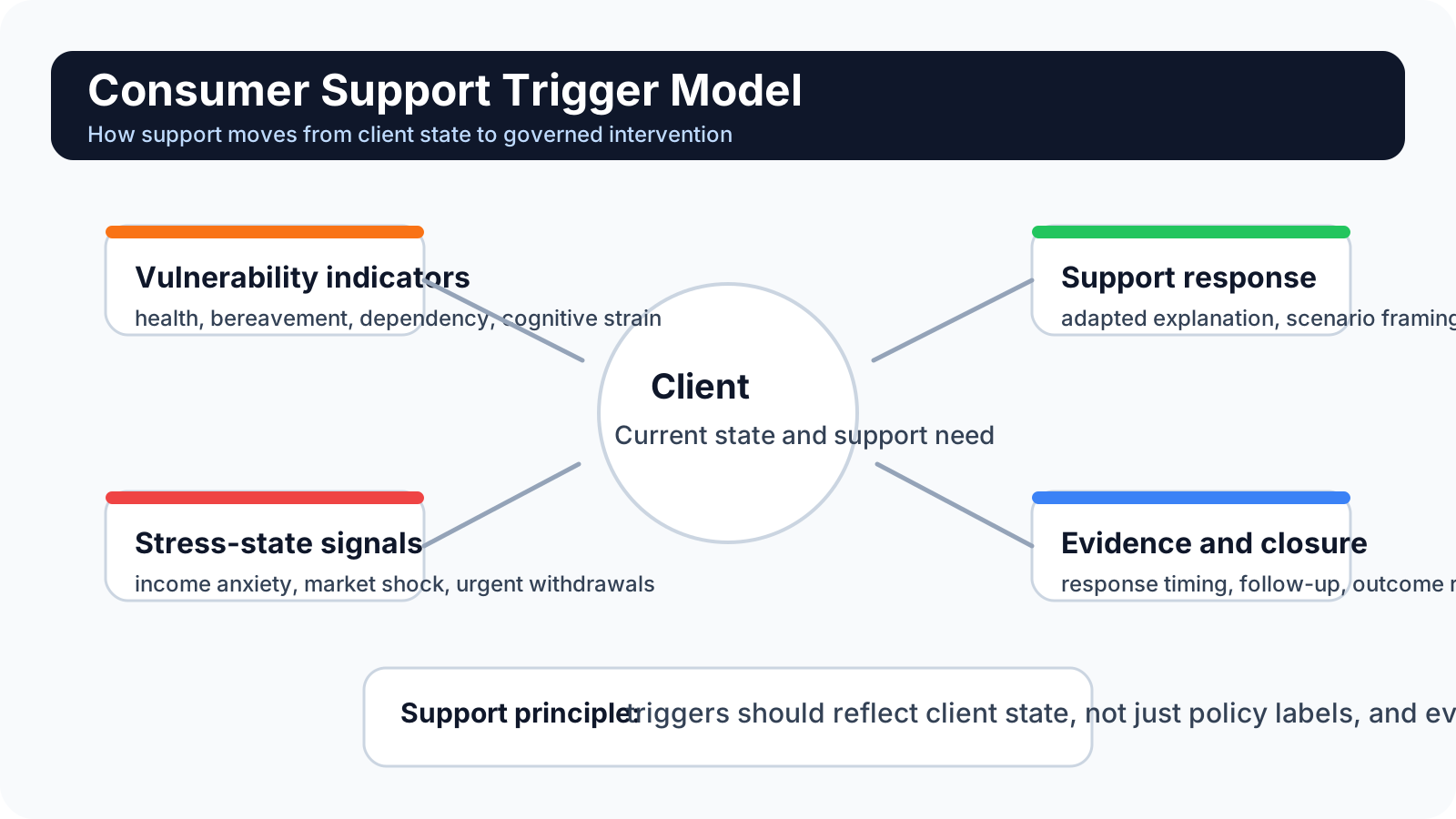
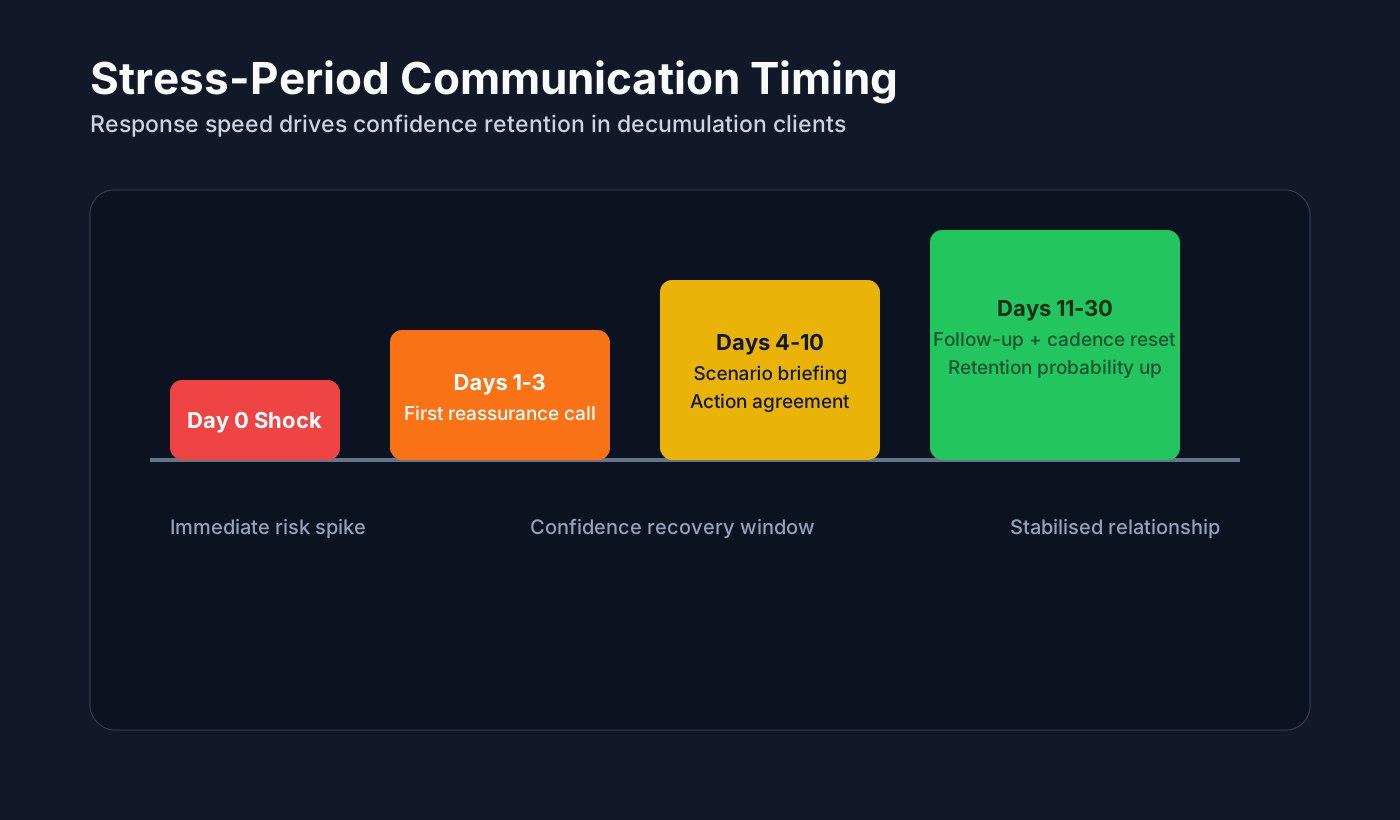
Firms often narrow the support question too quickly to formal vulnerability markers. Vulnerability matters, but so do operational signals that tell you the client may struggle to navigate the next decision well: repeated contact on the same issue, confusion about the agreed course of action, missed information requests, distress after market falls, or an abrupt change in withdrawal behaviour. These do not all amount to vulnerability, but they are still support events.
The stronger model therefore separates three things: identified vulnerability, stress-state indicators and service-friction indicators. A vulnerable client with no current stress may need adapted communication. A non-vulnerable client under decumulation stress may need urgent scenario support. A client experiencing repeated process friction may need escalation before frustration becomes complaint.
This wider trigger set is especially important in retirement books. A client may be financially sophisticated and still respond badly to income uncertainty, bereavement, ill health or administrative delay. Consumer Support should therefore be designed around client state, not just client label.
What a support control model should contain
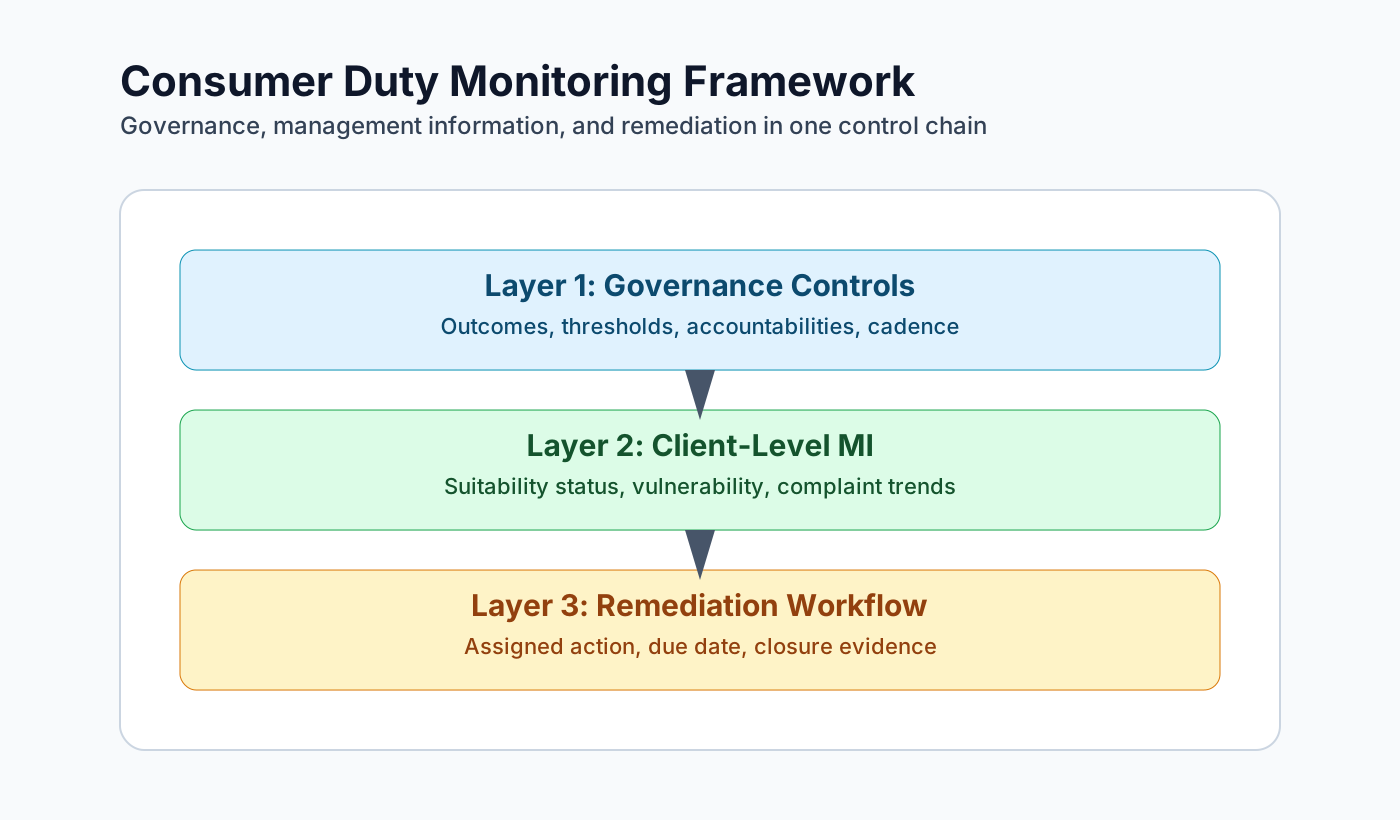
A credible support model starts with trigger definitions. Firms should define what constitutes a support event, which events create immediate response obligations, and which ones require supervisor visibility. The second layer is response design: what message is sent, what information is refreshed, whether the client needs a scenario explanation, and what adaptations are required for vulnerability or distress.
The third layer is evidence. A support interaction should capture the trigger source, the client state that prompted the intervention, the action taken, the follow-up owner, and the closure test. Without those fields, the firm can prove contact but not meaningful support. That distinction will matter if the FCA asks whether the firm helped the client pursue their financial objectives or merely logged a call.
Finally, the model needs management information. Boards and compliance teams should be able to see support-event volumes, response times, escalations, unresolved cases and recurring themes by adviser segment or client cohort. That is what turns support into something measurable and improvable.
How Plannetic can frame support as evidence
Plannetic is strongest when it makes support visible as workflow rather than sentiment. That means capturing support triggers from reviews, assessments and communication events; routing them to owners; linking them to scenario or suitability context; and closing them with an evidential outcome rather than a note saying the client was contacted.
This matters beyond regulation. Support quality affects client continuity, complaint prevention and the credibility of the entire service proposition. Firms that can evidence good support are far better placed to defend their pricing, their review model and their overall advice process. In that sense, Consumer Support is not a peripheral outcome. It is the operating discipline that proves the firm can convert advice into durable client outcomes.