Enterprise Value
Structured guidance and evidence-ready outputs.
Advice firm acquisition readiness: the operating evidence buyers now expect to see
Acquirers no longer just ask about AUM, EBITDA and adviser retention. They increasingly want operating evidence showing review delivery, suitability control, remediation discipline and recurring revenue quality.
By Plannetic Research
Highlights

Recurring revenue
Defensible
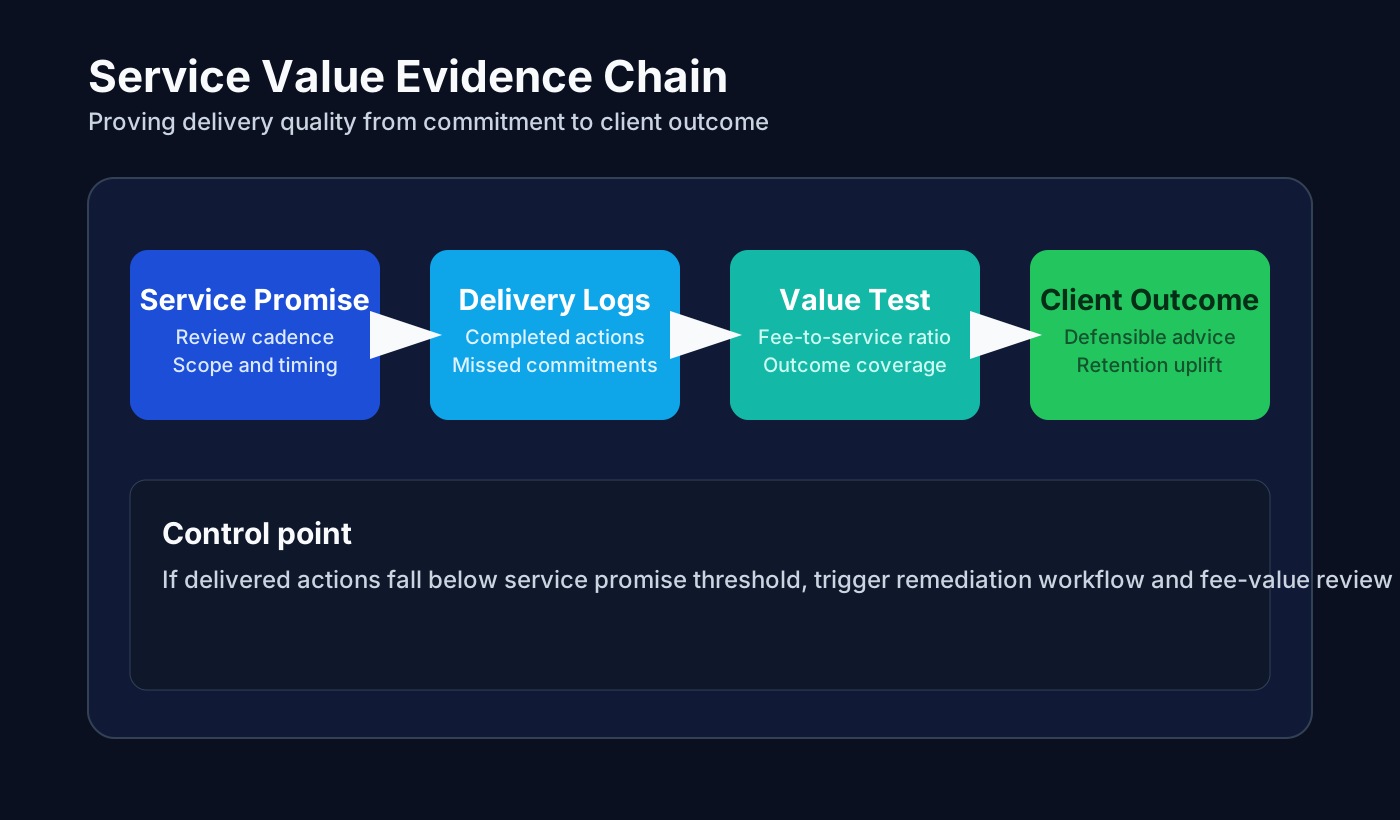
Buyers increasingly test whether service income is actually supported by delivered work and evidence.

Operating proof
Data-room ready
Review delivery, suitability evidence and remediation discipline now shape diligence quality.
Control quality
Visible
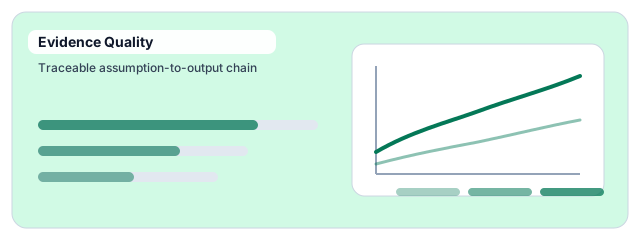
A buyer wants to see how the firm finds, owns and resolves operational issues before they become liabilities.
Why buyer diligence has changed
A decade ago, many acquisition conversations in wealth management could be carried by headline numbers: assets under management, recurring revenue, EBITDA margin, adviser age profile and client concentration. Those measures still matter, but they no longer answer the questions serious buyers are asking about revenue durability and hidden conduct exposure.
Today, buyers increasingly want to know whether the firm can evidence the work that underpins its income. Were ongoing reviews delivered? Are suitability decisions traceable? Is there a clear remediation process for service failures? Can the board see where operational risk is building? These questions matter because a weak operating model can destroy the quality of recurring revenue that headline multiples appear to value.
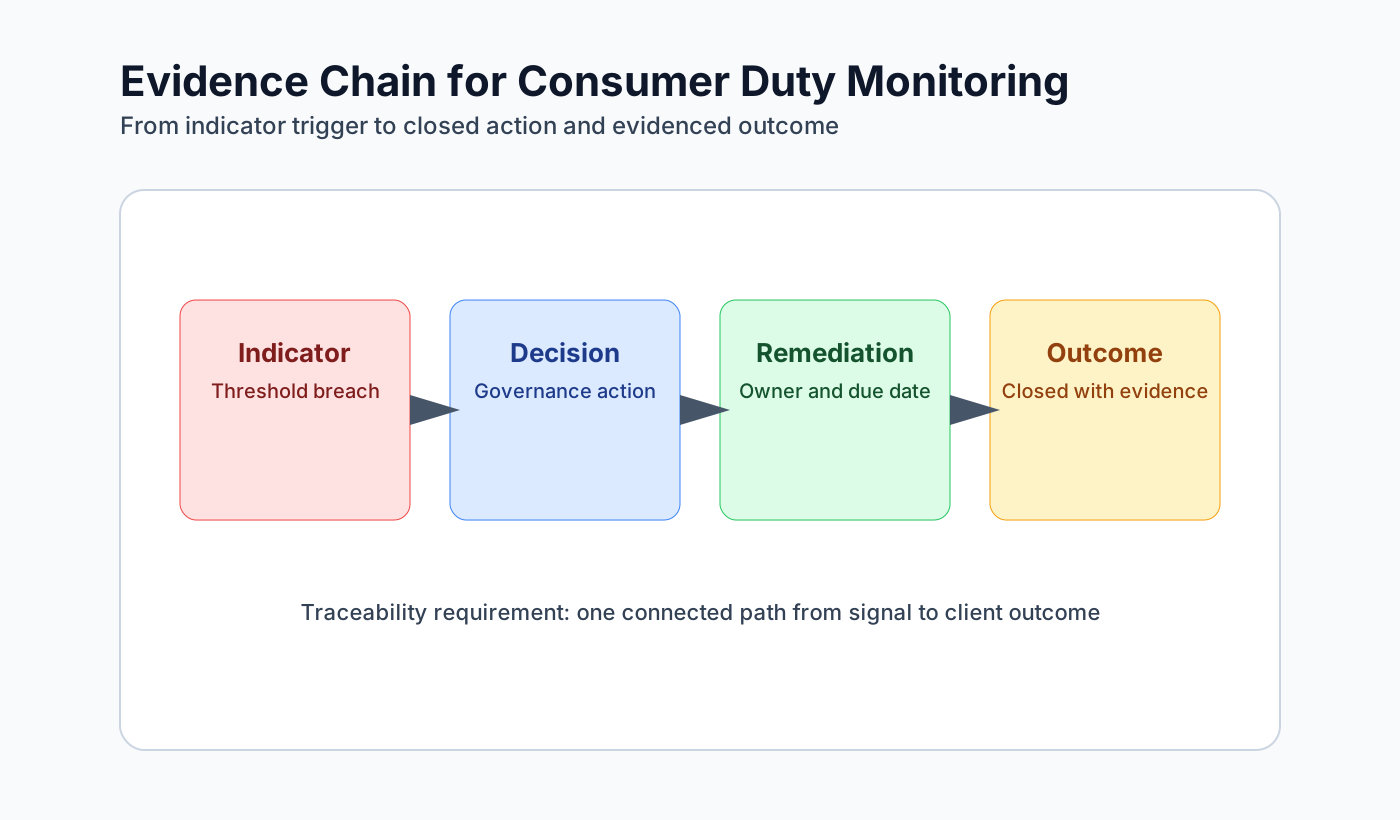
Consumer Duty has accelerated this shift. A buyer acquiring a firm with poor service evidence or weak suitability control is not just buying an inefficiency; it may be buying refund exposure, complaint risk and supervisory friction. That changes how due diligence is conducted and how earn-outs or pricing adjustments are negotiated.
The operating evidence buyers increasingly expect
At a minimum, buyers want credible management information on ongoing service delivery, review completion, complaint trends, vulnerability handling, suitability oversight and remediation. They also want to understand whether these are live controls or retrospective reports assembled for diligence. That distinction matters because manually compiled evidence rarely gives confidence that the same standards are maintained in business-as-usual operations.
The strongest firms can show data lineage. They can demonstrate where service commitments are defined, how they are tracked, how failures are escalated, and how closure is evidenced. They can also show whether poor outcomes cluster by adviser team, proposition segment or client type. This is the kind of operational transparency that shortens diligence and improves pricing confidence.
By contrast, firms that rely on policy documents, narrative descriptions and sample files create uncertainty. The buyer has to infer control quality rather than observe it. That almost always increases diligence friction and weakens perceived value.
Why operating evidence affects enterprise value
The commercial logic is straightforward. If recurring revenue depends on services that cannot be evidenced, that revenue is less durable. If suitability and support controls are weak, future remediation costs may be higher than management expects. If review delivery and complaint prevention are inconsistent, future retention rates are more fragile. Each of these concerns can affect valuation, deal structure, holdbacks or integration planning.
Stronger operating evidence does not guarantee a premium multiple, but it narrows uncertainty. It helps the buyer believe that margins are real, that revenue is not overstated by under-delivered service, and that the control environment can scale after the transaction. In practical terms, operating evidence improves the quality of earnings narrative behind the headline numbers.
That is why firms preparing for acquisition should treat governance data as a value asset rather than as a compliance archive. The diligence room increasingly rewards businesses that can demonstrate repeatable service, clear remediation and auditable oversight.
How Plannetic should frame acquisition readiness
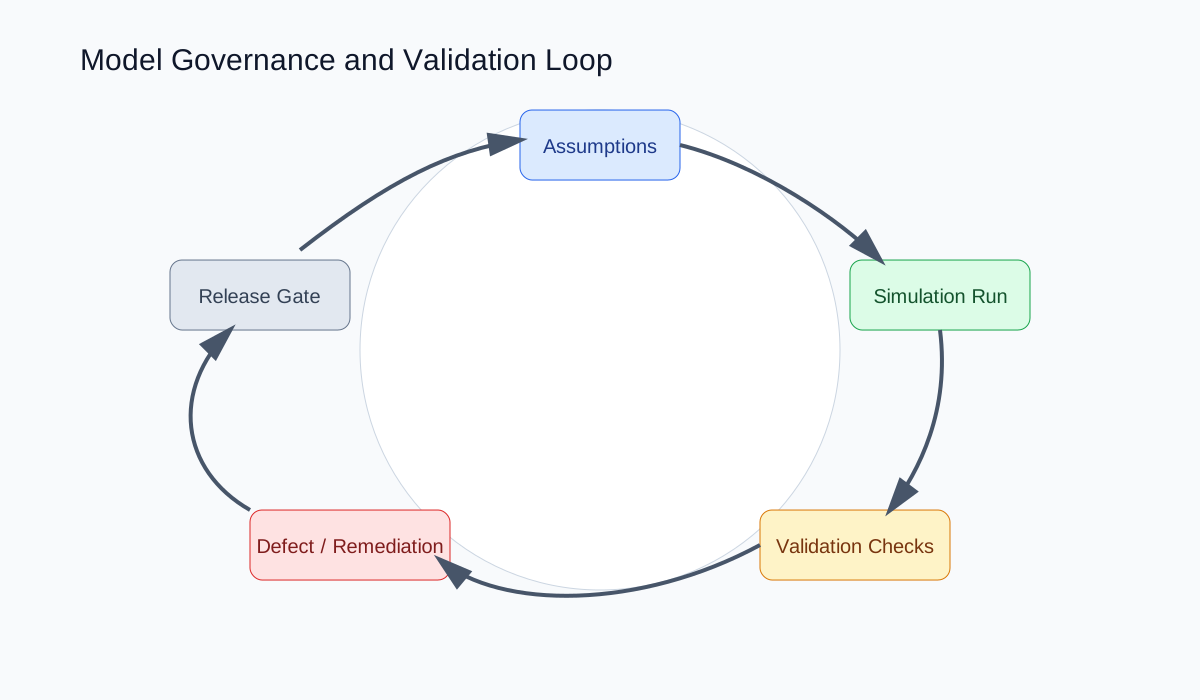
Plannetic should present itself as the operating-evidence layer that makes advice businesses easier to understand, easier to supervise and easier to diligence. The value proposition is not just better compliance. It is better revenue credibility. A platform that can evidence service delivery, suitability control, scenario communication and remediation closure gives acquirers a cleaner answer to the question that matters most: how reliable are this firm's recurring earnings?
That framing is commercially stronger than talking about efficiency alone. Efficiency matters, but acquisition readiness is about confidence in the underlying operating model. Plannetic can help firms make that model visible.